
Handling & shake-out
Foundry Sand Conveying: Belt, Bucket or Pneumatic?
How to move sand in a foundry: belt conveyors, bucket elevators, vibrating conveyors and dense-phase pneumatic conveying compared on capacity, wear and fit.
Explore ↗How to move sand in a foundry: belt conveyors, bucket elevators, vibrating conveyors and dense-phase pneumatic conveying compared on capacity, wear and fit.
Explore ↗How to size a continuous no-bake mixer for furan or alkaline phenolic sand: throughput, arm reach, resin dosing, calibration and a used-mixer checklist.
Explore ↗Which machines make up a lost foam casting line, how to size the vibration table and vacuum, and what to check on a used line. Field notes.
Explore ↗How a hanger shot blasting machine works, how to size hook load and turbine power, how it differs from tumble and pass-through blasters, and what to check on a used machine.
Explore ↗How a cupola furnace works, cold blast vs hot blast, coke ratio, emission requirements, and what to know when moving from cupola to induction melting.
Explore ↗How kW relates to melt rate, IGBT vs thyristor, kWh per tonne, single or twin crucible, and what to check on a used induction furnace. Figures from the shop floor.
Explore ↗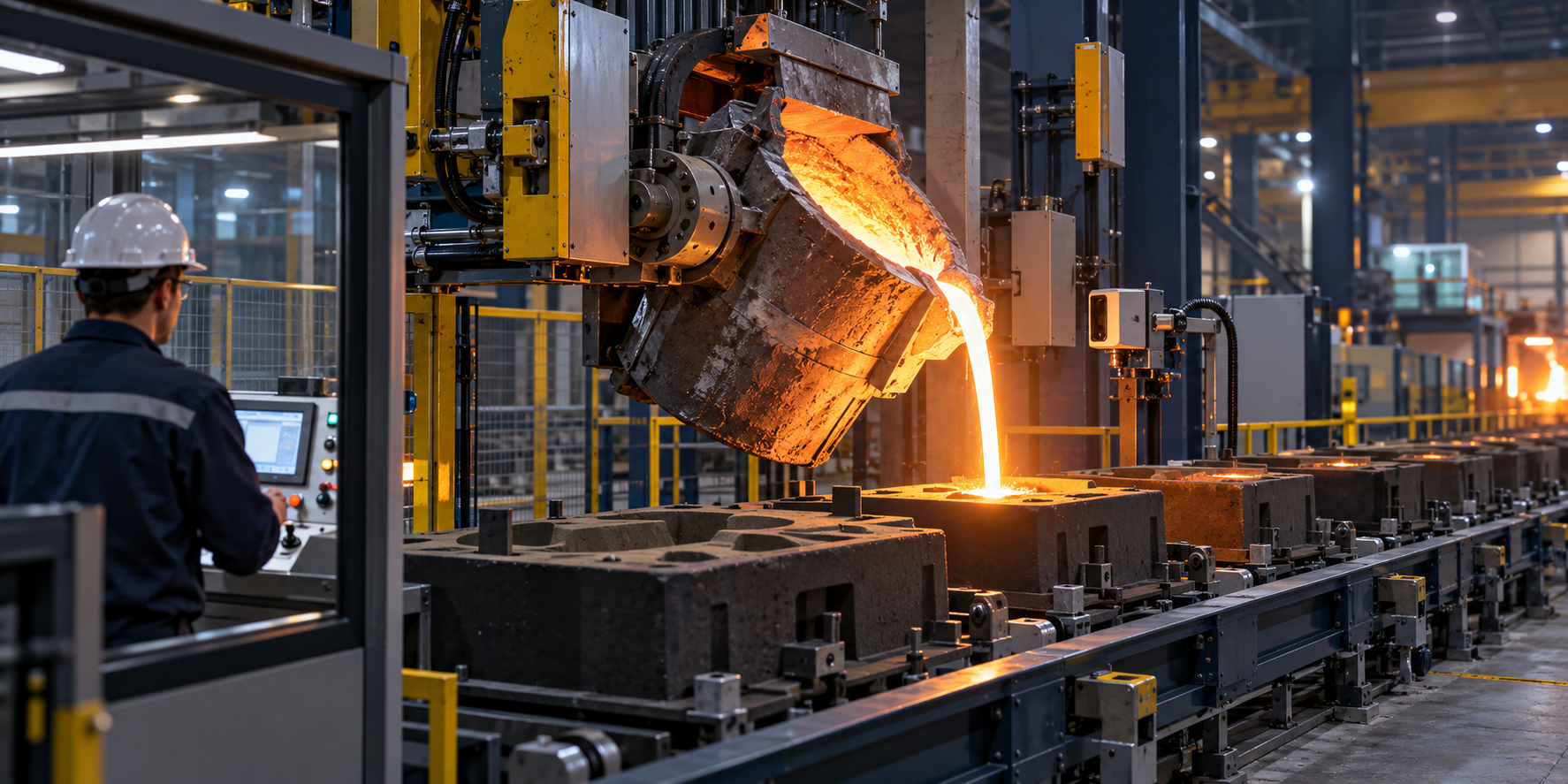
Assess alloy, moulding-line cycle, pour weight, temperature, inoculation and data integration together when selecting an automatic pouring system.
Explore ↗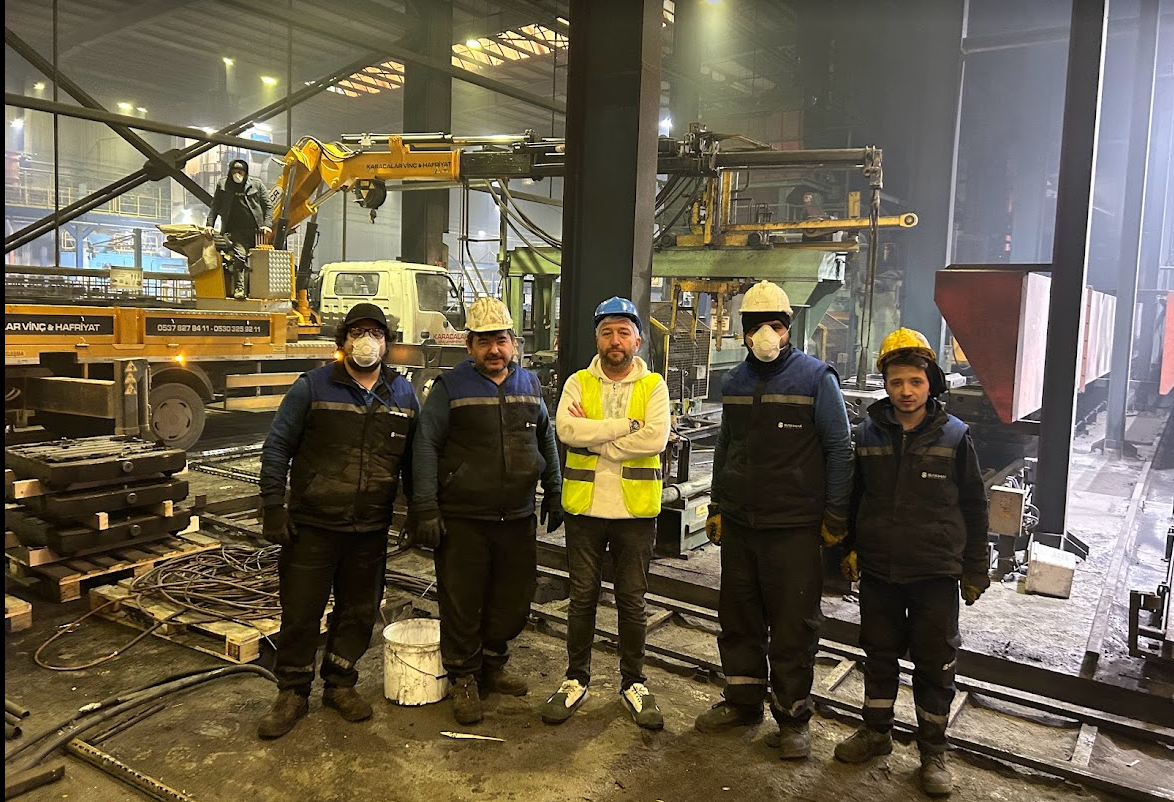
What should you prepare before relocating a used foundry or production line? Key checkpoints from equipment records and receiving-site infrastructure to dismantling, commissioning and acceptance.
Explore ↗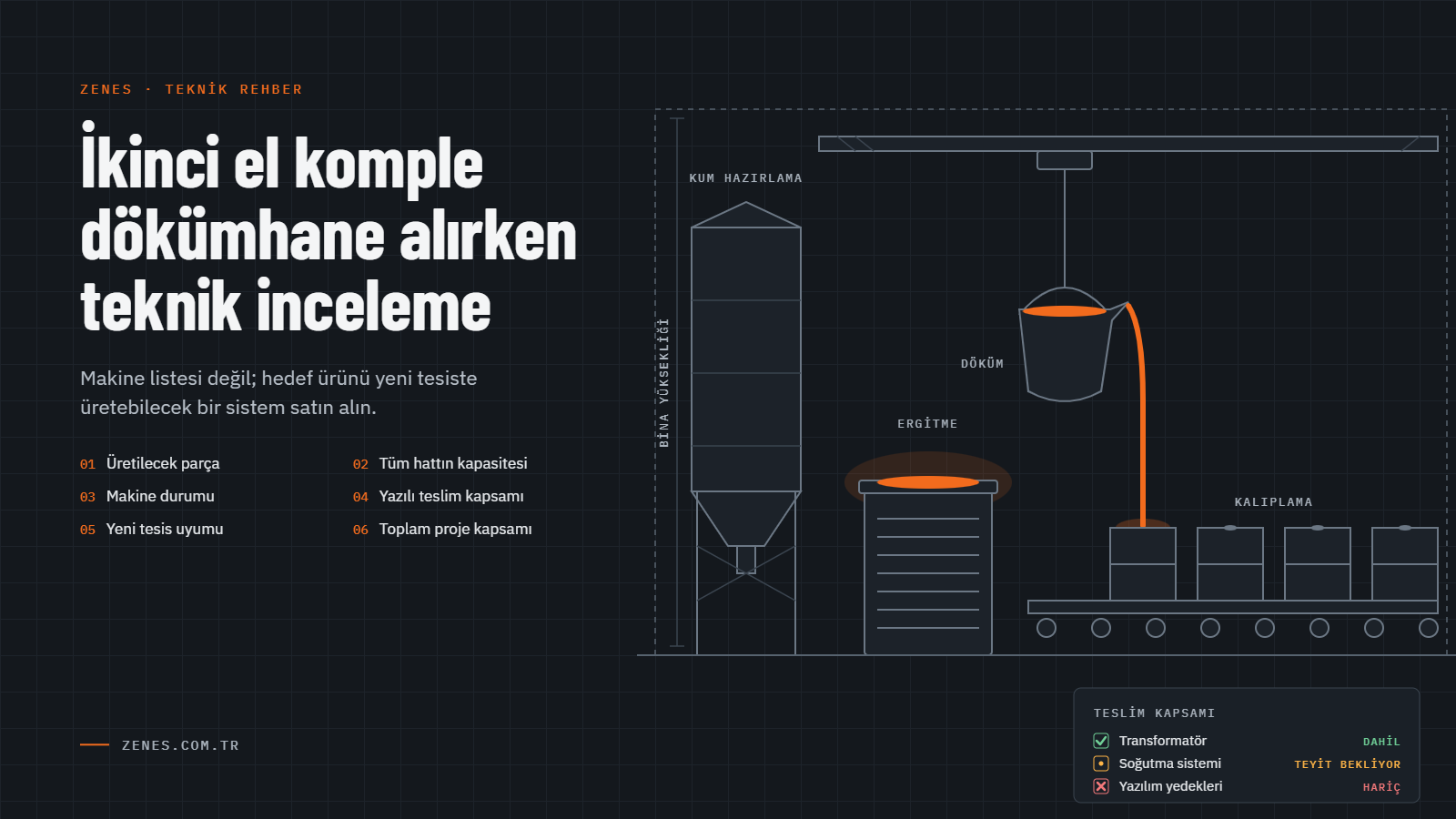
A used foundry investment involves more than machinery prices. Production suitability, equipment condition, missing items and reinstallation must be assessed together.
Explore ↗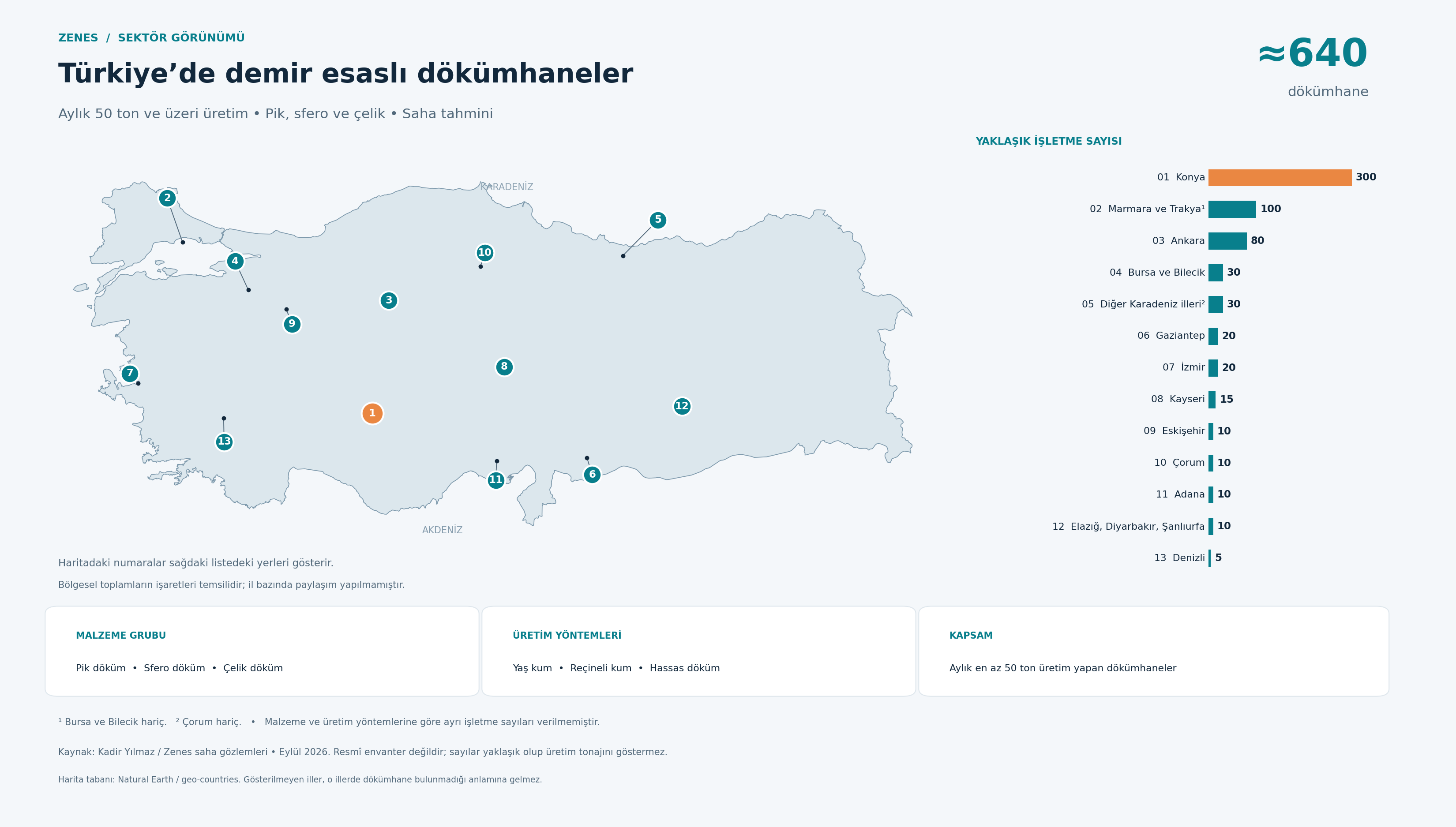
ZENES’s preliminary field assessment estimates around 640 grey iron, ductile iron and steel foundries within a production scope of 50 tonnes per month or more.
Explore ↗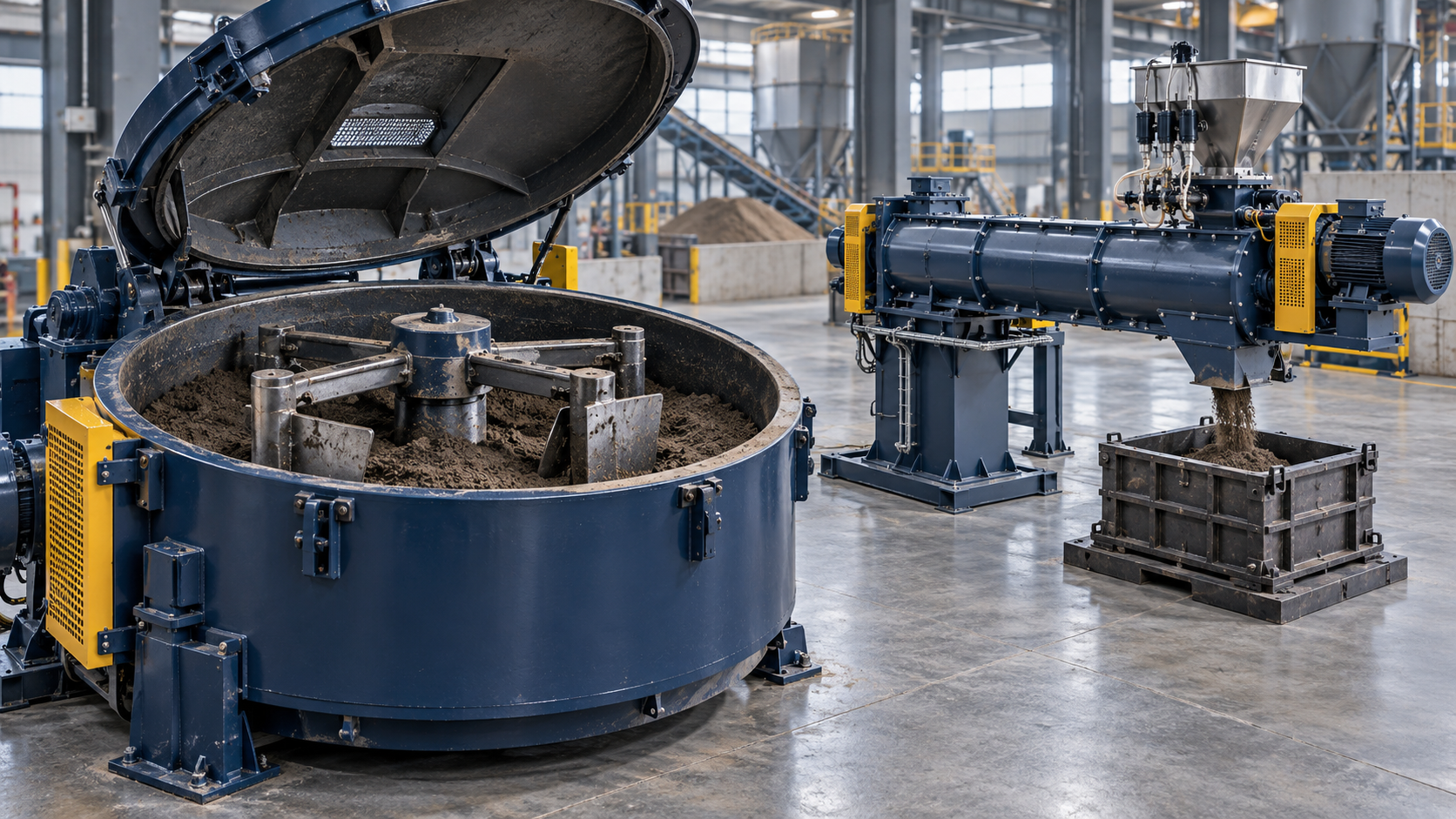
Assess sand type, actual production demand, dosing, maintenance access and compatibility with the existing line when selecting a foundry sand mixer.
Explore ↗Casting type, alloy, weight range, target tonnage and mould dimensions form the starting data. Building, cranes, electricity and cooling influence equipment selection. These inputs support a clear technical scope and comparable offers.
Explore ↗Assess ancillary equipment, automation, installation, acceptance and warranty alongside the main machine price. Distinguish catalogue speed from actual production conditions and document conditions such as core setting and mould thickness.
Explore ↗Which machines a green sand foundry needs, how to size each department, and which items are most often missing from the budget. From melting to shot blasting.
Explore ↗A preparation approach for Saudi Arabia, the Middle East and North Africa.
Explore ↗Assess the actual offer, operating requirements and total cost before country of origin.
Explore ↗Starting information for investments and new or used equipment.
Explore ↗No results. Change the filters or contact us.
Product sheets, technical selection guides and manufacturer documents.


